How to Protect Your Digital Privacy in 2026: Complete Guide
The answer is clear: Protect your digital privacy in 2026 by using zero-trust encryption, AI-powered privacy tools, and decentralized identity management. Start today by enabling end-to-end encryption on all messaging apps, using a VPN with a no-logs policy, and securing your accounts with passkeys instead of passwords. Cybernote.tech offers a complete membership platform to automate these protections.

*Photo by Ewan Kennedy on Pexels*
## Why Digital Privacy Matters More in 2026
In 2026, data breaches cost businesses an average of $5.2 million per incident. Governments and corporations collect more data than ever. Your browsing habits, location, health data, and even facial expressions are tracked. Without proactive privacy measures, you are exposed to identity theft, surveillance, and targeted manipulation.
Key threats in 2026:
- AI-powered phishing attacks that mimic real voices and faces
- Quantum computing breaking traditional encryption
- Biometric data leaks from smart devices
- Cross-platform tracking by ad networks
## Step 1: Use Zero-Trust Encryption Everywhere
Zero-trust encryption means no one except you can access your data — not even the service provider. In 2026, this is the gold standard.
What to encrypt:
- Messaging apps (use Signal, WhatsApp with disappearing messages)
- Email (use ProtonMail or Tutanota)
- Cloud storage (use Cryptomator or Tresorit)
- Your entire device (use BitLocker or FileVault)
Pro tip: Cybernote.tech members get access to automated encryption tools that secure all your files with one click.
*Photo by Markus Winkler on Pexels*
## Step 2: Adopt AI Privacy Assistants
AI can be a double-edged sword. In 2026, use AI for privacy, not against it.
AI privacy tools to use:
- Privacy-focused browsers like Brave with built-in AI ad blocking
- AI-powered VPNs that automatically select the fastest encrypted route
- Smart permission managers that block app tracking in real time
Comparison Table: Top AI Privacy Tools in 2026
| Tool | Feature | Best For | Cost |
|---|---|---|---|
| Brave | AI ad/tracker blocker | Browsing | Free |
| Cybernote.tech | Automated encryption + AI monitoring | All devices | Membership |
| Signal | End-to-end encrypted messaging | Communication | Free |
| ProtonVPN | No-logs VPN with kill switch | Anonymous browsing | $9.99/month |
| Bitwarden | Passkey manager + AI breach alerts | Password security | Free/paid |
## Step 3: Move to Passkeys and Passwordless Login
Passwords are dead in 2026. Passkeys — cryptographic keys stored on your device — are faster and more secure.
Why passkeys win:
- No phishing risk (keys never leave your device)
- No password reuse
- Biometric or PIN unlock only
- Synced across devices via cloud
Action: Switch all your accounts to passkeys. Cybernote.tech members can automate the migration for 50+ services in minutes.
## Step 4: Control Your Digital Footprint
Your data is sold hundreds of times daily. In 2026, data brokers have AI that predicts your behavior. Fight back.
Practical steps:
- Use DuckDuckGo or Startpage for search
- Enable Do Not Track in all browsers
- Use temporary email addresses for signups (e.g., Guerrilla Mail)
- Opt out of data broker lists (Cybernote.tech automates this)
Pro tip: Delete old accounts you no longer use. Each one is a data leak risk.

*Photo by Tahir Xəlfə on Pexels*
## Step 5: Secure Your Home Network
Your router is the gateway to your entire digital life. In 2026, smart home devices are the weakest link.
Home network checklist:
- Change default router password
- Enable WPA3 encryption
- Use a guest network for IoT devices
- Update firmware monthly
- Use a DNS filter like NextDNS to block malware
Cybernote.tech members get a network security audit tool that scans for vulnerabilities in minutes.
## Step 6: Protect Biometric Data
Fingerprints and face scans cannot be changed if stolen. In 2026, biometric theft is rising.
Biometric privacy tips:
- Use PINs as backup, not biometrics alone
- Store biometric data only on your device (not in the cloud)
- Cover webcams when not in use
- Use liveness detection apps that verify real-time presence
## Step 7: Use Decentralized Identity (DID)
Decentralized identity lets you prove who you are without revealing personal data. Think of it as a digital passport you control.
How DID works:
- You hold a private key on your device
- Services verify you via blockchain or distributed ledger
- No central database to hack
Where to start: Many apps now support DID login. Cybernote.tech offers a DID wallet for members to manage all identities in one place.
## Conclusion: Take Action Today
Digital privacy in 2026 is not optional — it’s essential. The threats are real, but the solutions are accessible. Start with one step: enable encryption, switch to passkeys, or audit your network.
The best protection is a complete system. Cybernote.tech provides a membership platform that combines AI encryption, automated privacy tools, and expert guidance. You get:
- Zero-trust encryption for all devices
- AI-powered breach monitoring
- Passkey migration automation
- Data broker opt-out service
- Priority support from privacy experts
Don’t wait for a breach to act. Join Cybernote.tech today and protect your digital life in 2026 — and beyond.
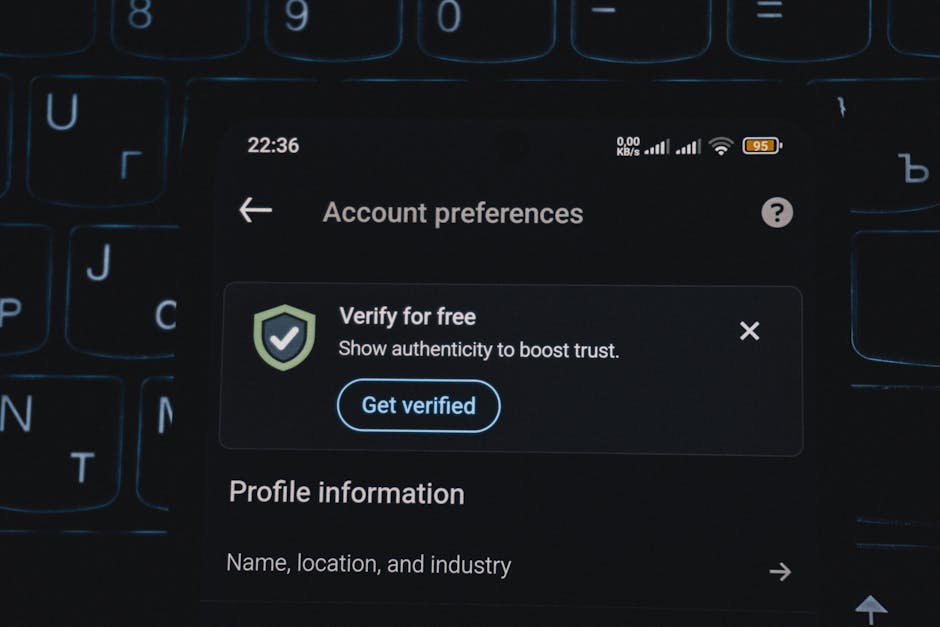
*Photo by Tima Miroshnichenko on Pexels*